• Home
  • Courses

Metagenomics Mini-Course

Curriculum

  • 12 Sections
  • 33 Lessons
  • 10 Minutes
Expand all sectionsCollapse all sections
  • Course Overview
    1
    • 1.1
      The Fascinating Field of Metagenomics
      10 Minutes
  • The Invisible World
    2
    • 2.1
      Welcome to Metagenomics: The Invisible World
      10 mins
    • 2.2
      The World Beyond Our Sight (Video)
      10 Minutes
  • Lab Foundations
    3
    • 3.1
      Metric System, Volume, Weight & Pipetting
      10 mins
    • 3.2
      Mastering the Pipette
      10 Minutes
    • 3.3
      The Value of Meticulous Measurement
      10 Minutes
  • DNA and Genomic DNA
    3
    • 4.1
      DNA & Genomic DNA: The Code Behind the Sample
      10 mins
    • 4.2
      What Is DNA? — Quick Review
      10 Minutes
    • 4.3
      The Code Behind the Sample (Video)
      10 Minutes
  • Site Selection & Field Sampling
    3
    • 5.1
      Learning Outcomes
      10 mins
    • 5.2
      Site Selection: A Walkthrough
      10 mins
    • 5.3
      Field Sampling: Hands-On Practice
      10 mins
  • DNA Extraction from Soil
    3
    • 6.1
      Learning Outcomes
      10 mins
    • 6.2
      DNA Extraction Walkthrough
      10 mins
    • 6.3
      DNA Extraction: Hands-On Practice
      10 mins
  • Quantitation and Nanodrop Analysis
    3
    • 7.1
      Learning Outcomes
      10 mins
    • 7.2
      Nanodrop Quantitation Walkthrough
      10 mins
    • 7.3
      Nanodrop Quantitation: Hands-On Practice
      10 mins
  • PCR: Testing DNA Purity
    3
    • 8.1
      Learning Outcomes
      10 mins
    • 8.2
      PCR Purity Walkthrough
      10 mins
    • 8.3
      PCR Purity: Hands-On Practice
      10 mins
  • Agarose Gel Electrophoresis
    3
    • 9.1
      Learning Outcomes
      10 mins
    • 9.2
      Gel Electrophoresis Walkthrough
      10 mins
    • 9.3
      Gel Electrophoresis: Hands-On Practice
      10 mins
  • Oxford Nanopore Library Prep
    3
    • 10.1
      Learning Outcomes
      10 mins
    • 10.2
      Nanopore Library Prep Walkthrough
      10 mins
    • 10.3
      Nanopore Library Prep: Hands-On Practice
      10 mins
  • Final Quantification
    3
    • 11.1
      Learning Outcomes
      10 mins
    • 11.2
      Final Quantification Walkthrough
      10 mins
    • 11.3
      Final Quantification: Hands-On Practice
      10 mins
  • Bioinformatics
    3
    • 12.1
      Learning Outcomes
      10 mins
    • 12.2
      Bioinformatics Walkthrough
      10 mins
    • 12.3
      Bioinformatics: Hands-On Practice
      10 mins

Mastering the Pipette

Metagenomics Mini-Course

Mastering the Pipette

🕐 5 min read
The Big Question

In the microscopic world of molecular biology, how can tiny errors in measurement lead to massive failures in experimental outcomes?

Mastering precise liquid handling is a cornerstone of success in any molecular biology lab. Pipettes are your primary tools, and understanding their proper use is critical for accurate and reproducible results. Every microliter counts!

Mastering the Pipette: Step-by-Step Precision

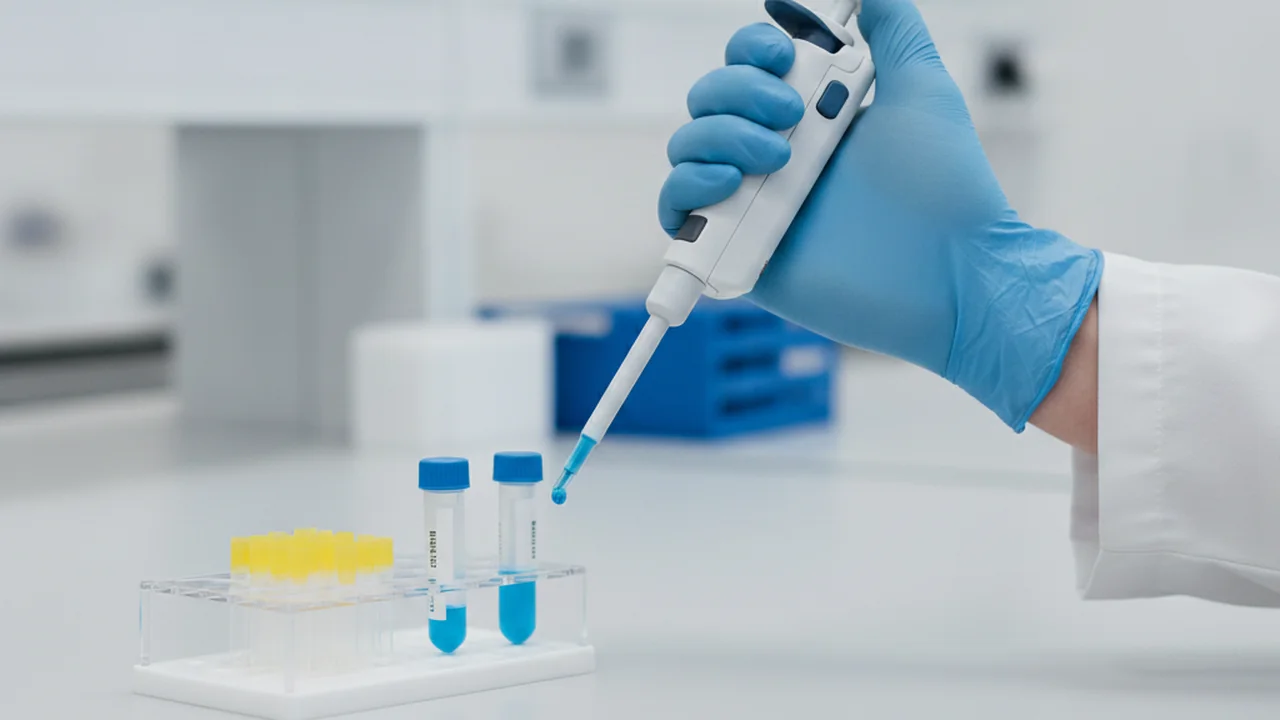
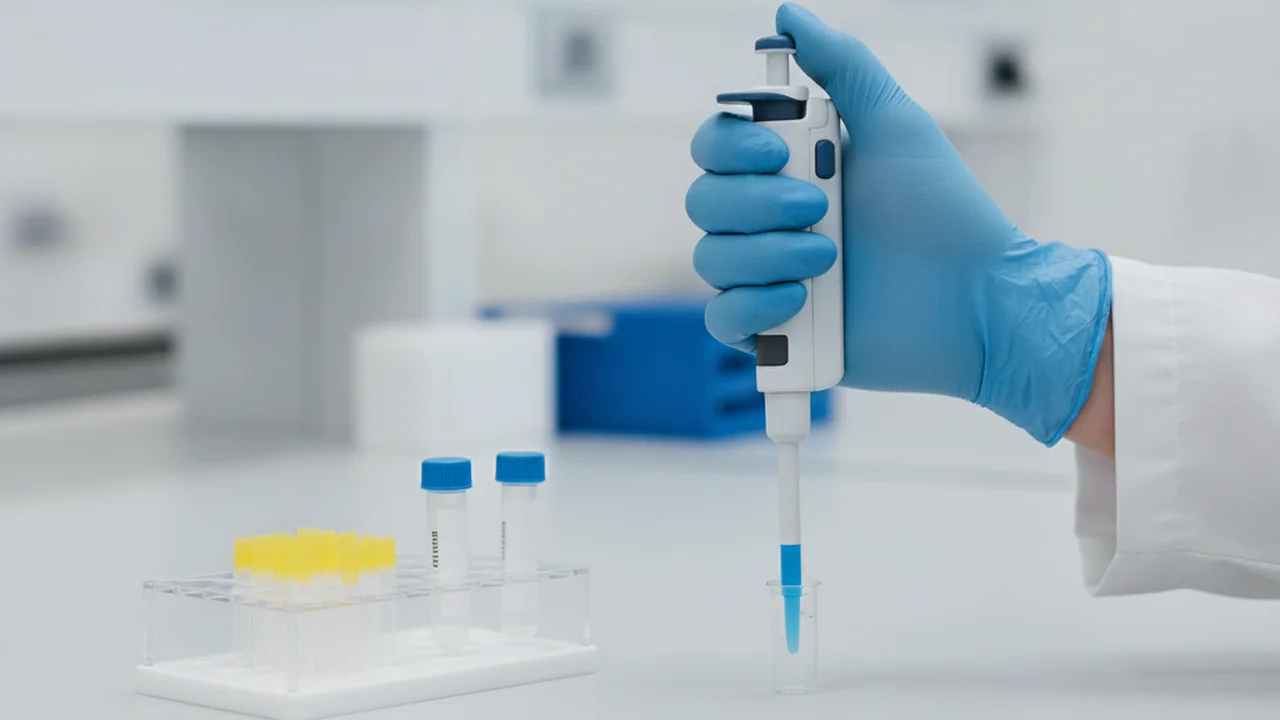
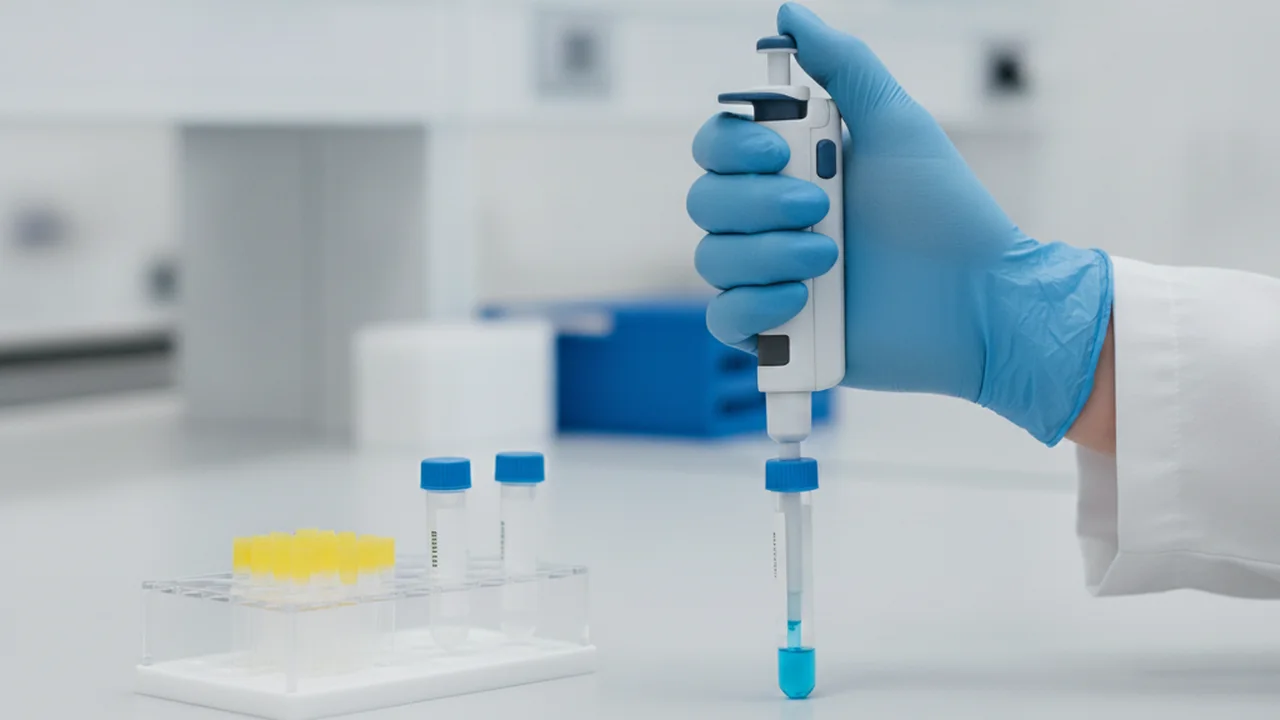
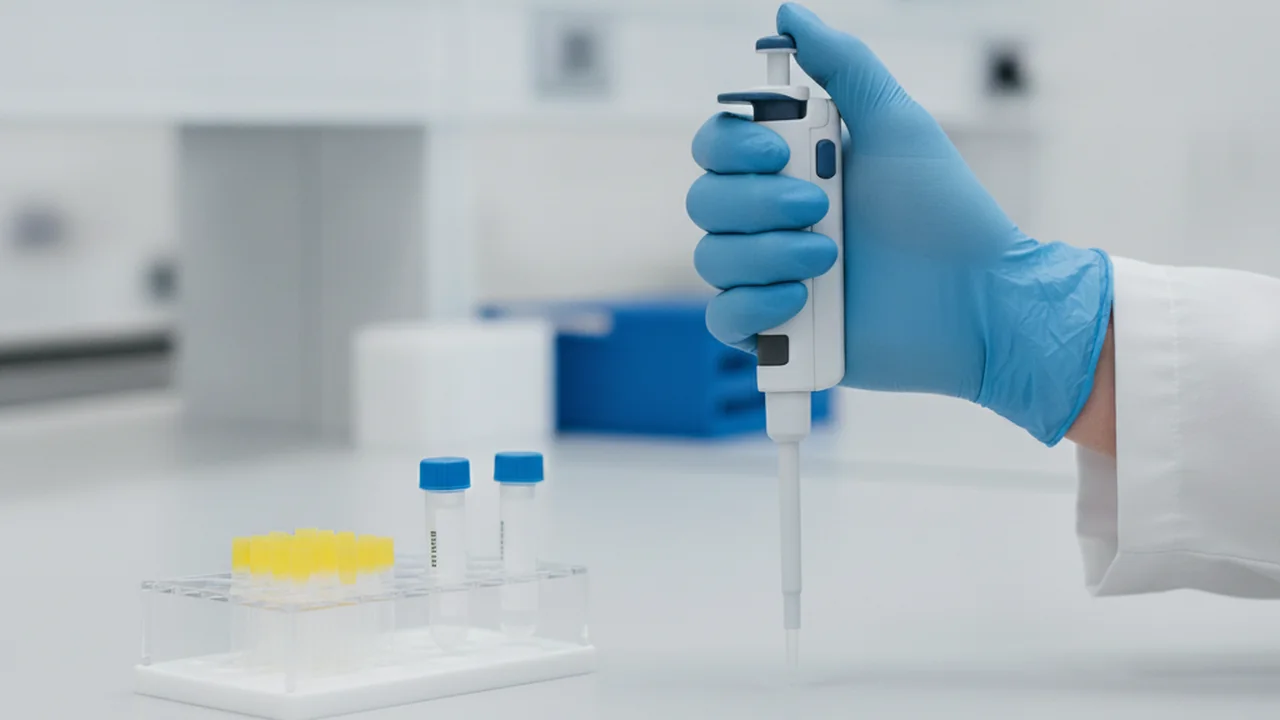
Follow these essential steps to ensure accurate and consistent liquid transfer with a micropipette. Each action, from selecting the right pipette to the final dispense, plays a crucial role in preventing errors and achieving reliable experimental data.
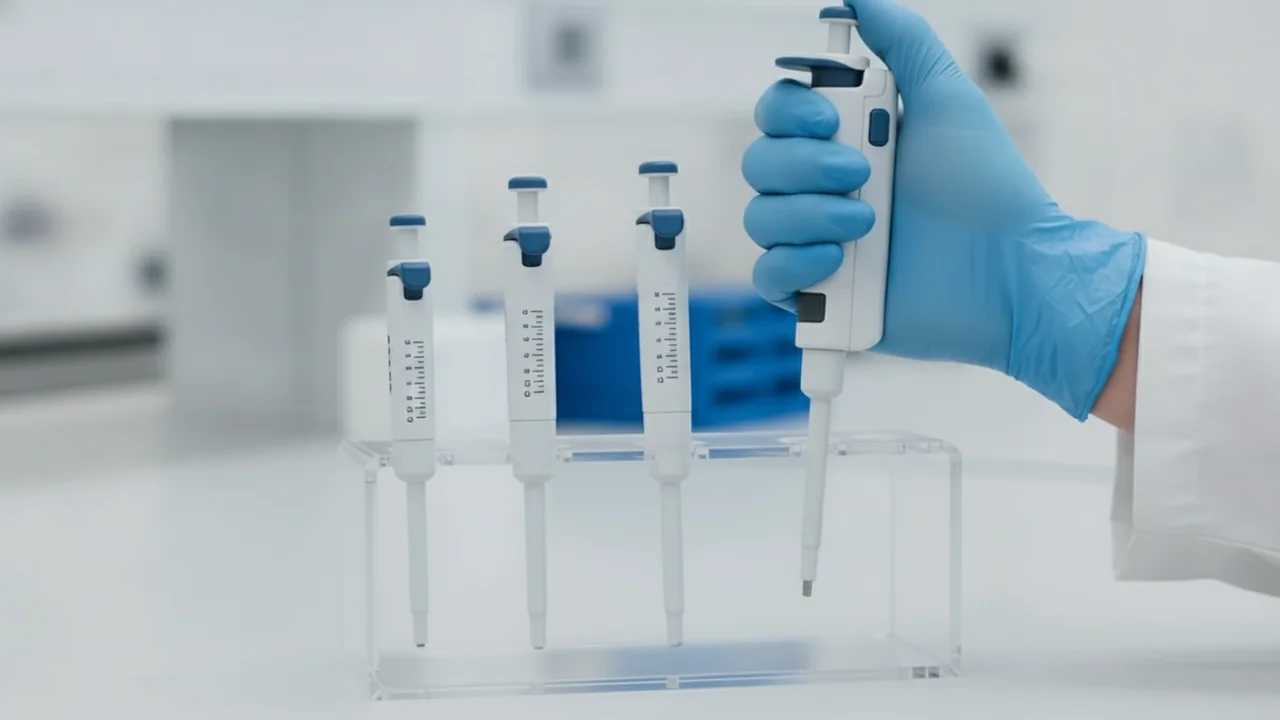
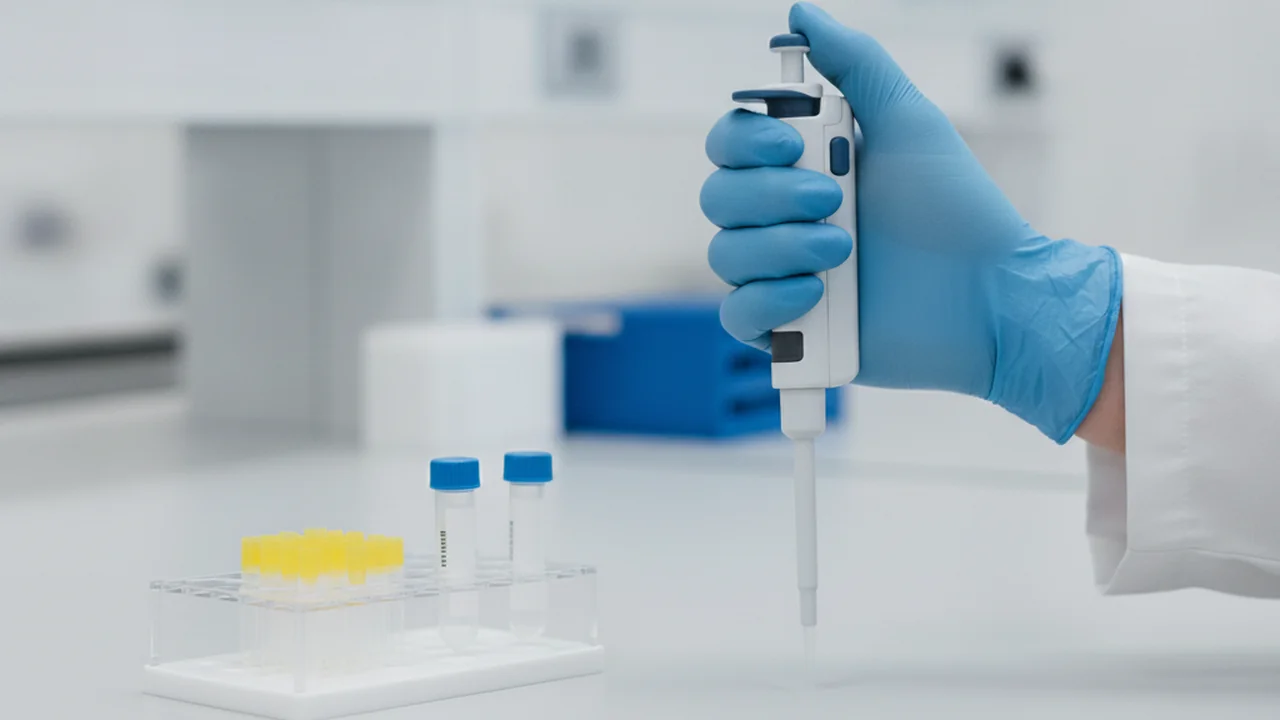
1
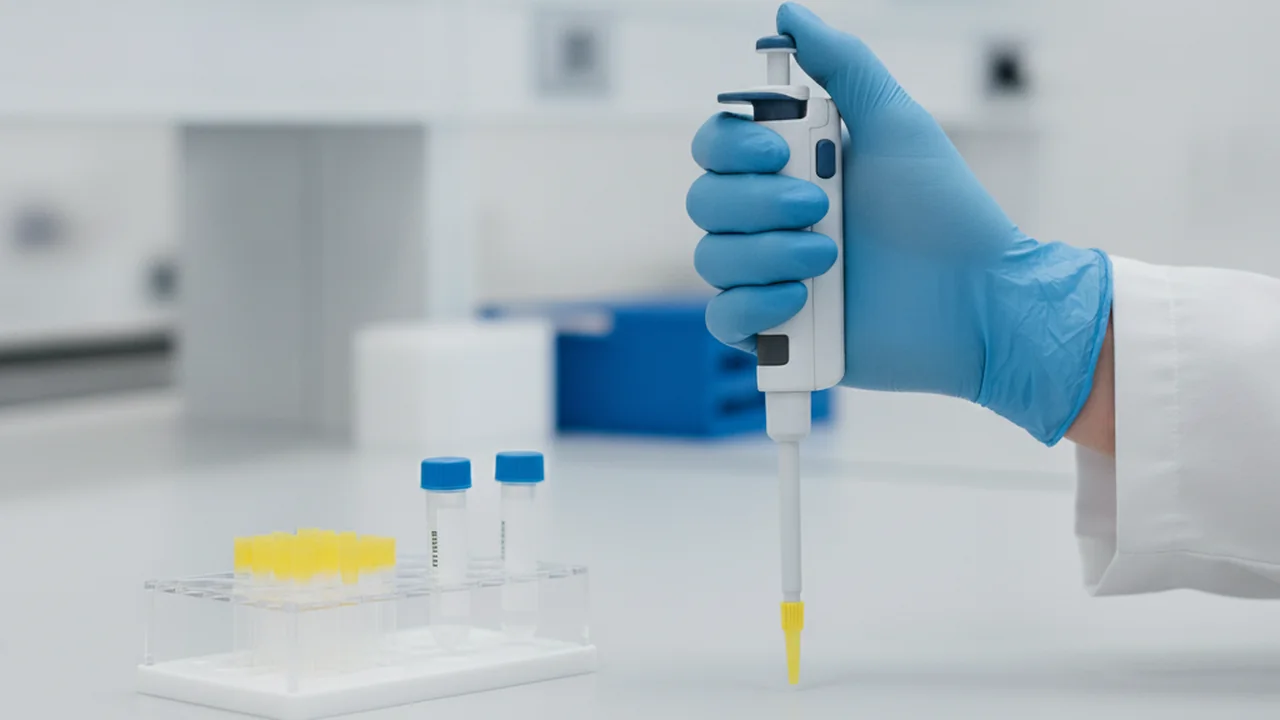
Step 1: Select the appropriate pipette for the needed volume
Step 1 · Select the appropriate pipette for the needed volume
2
Step 2: Adjust the dial to the desired volume
Step 2 · Adjust the dial to the desired volume
3
Step 3: Set the tip securely
Step 3 · Set the tip securely
4
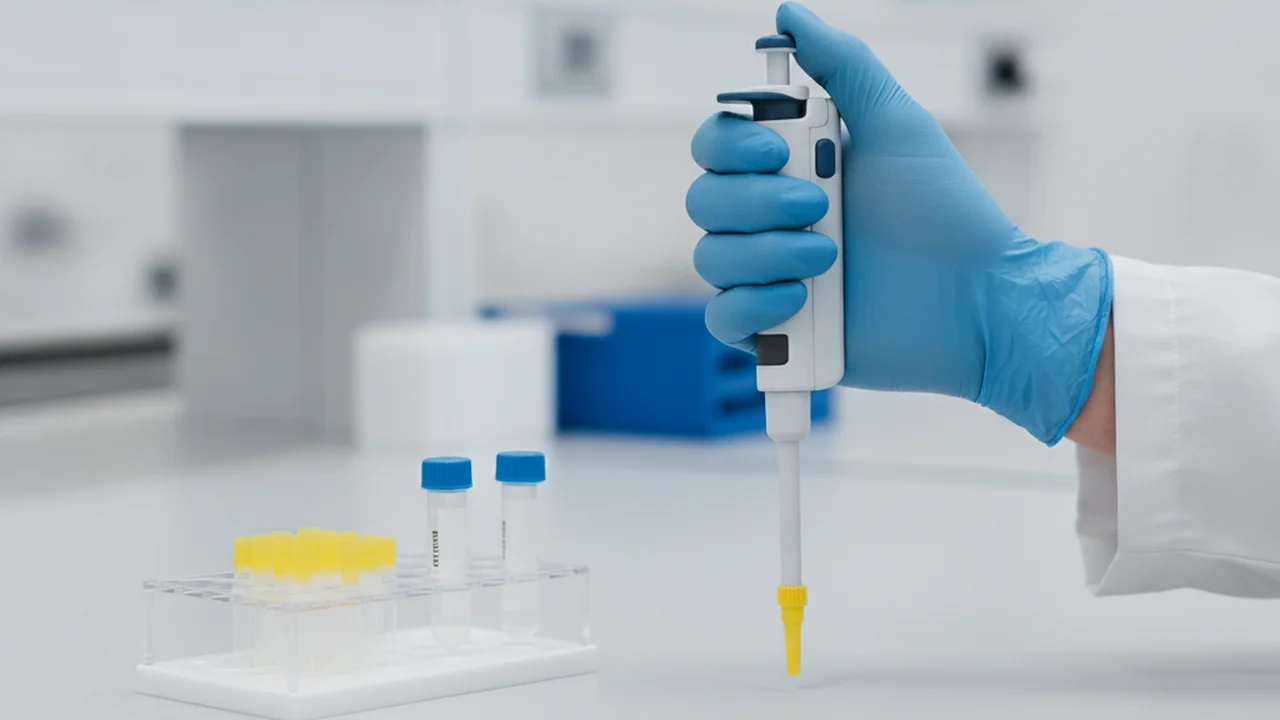
Step 4: Press and hold the plunger at the first stop
Step 4 · Press and hold the plunger at the first stop
5
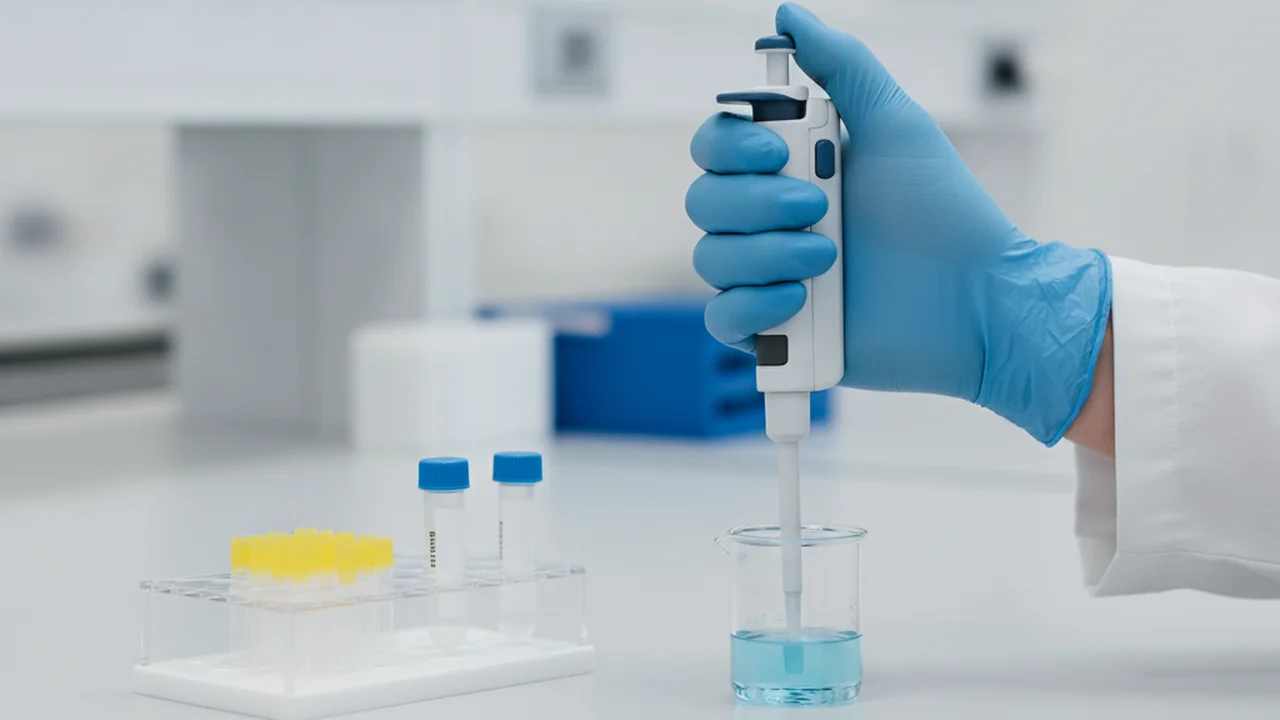
Step 5: Place the tip just below the liquid surface
Step 5 · Place the tip just below the liquid surface
6
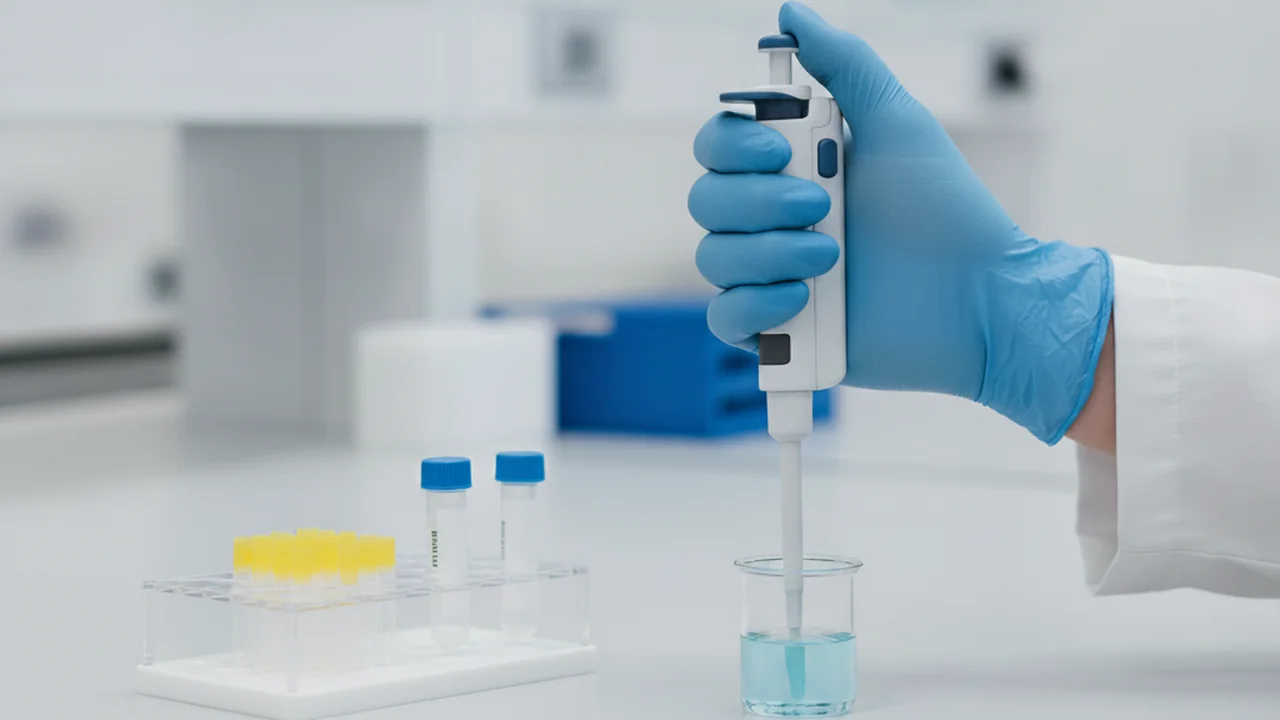
Step 6: Slowly release the plunger to draw up liquid
Step 6 · Slowly release the plunger to draw up liquid
7
Step 7: Pause, then remove the tip from the liquid
Step 7 · Pause, then remove the tip from the liquid
8
Step 8: Insert into the delivery vessel
Step 8 · Insert into the delivery vessel
9
Step 9: Depress to the second stop to dispense
Step 9 · Depress to the second stop to dispense
10
Step 10: Before releasing, remove the tip from the liquid, then release slowly
Step 10 · Before releasing, remove the tip from the liquid, then release slowly

Consider which of these steps might be most commonly rushed or overlooked, and what consequences that could have for your experiment.

💡 Did You Know?

Common pipetting errors include incorrect tip immersion depth, pipetting too quickly, and failing to pre-wet the tip. Each can significantly impact the accuracy of your dispensed volume.

Want to go deeper? Pipette Types and Calibration

There are various types of pipettes, including air displacement, positive displacement, and electronic pipettes, each suited for different applications and liquid properties. Air displacement pipettes are the most common in molecular biology labs. Regular calibration, typically every 6-12 months, is essential to maintain their accuracy. This involves gravimetrically testing the dispensed volume against a known standard (often distilled water) using a high-precision balance.

  • Proper pipetting technique is crucial for accurate experimental results.
  • Each step, from selection to dispense, contributes to precision.

Understanding Weight Conversions

In molecular biology, substances are often measured in very small units of mass. Familiarity with these conversions is vital for preparing reagents and understanding experimental protocols.

ng
nanogram
≈ a single cell
×1000
→
µg
microgram
≈ a grain of pollen
×1000
→
mg
milligram
≈ a grain of sand
×1000
→
g
gram
≈ a paperclip
Each step up is a 1,000× jump in mass — from a nanogram to a gram spans a billion-fold range.
Metric Weight Conversions
  • 1 mg = 1,000 µg
  • 1 µg = 1,000 ng
  • 500 µg = 0.5 mg
  • 1,000 mg = 1 g

Remembering these fundamental relationships will allow you to quickly convert between units, preventing errors in your calculations.

❌ Common Misconception

Roughly estimating volumes or weights is “good enough” for most experiments.

✅ The Reality

Even slight deviations from precise measurements can lead to significant variations in reaction kinetics, enzyme activity, and ultimately, the success or failure of sensitive molecular biology experiments.

⏱ 5 minutes
Activity: Pipetting Accuracy Exercise

Test your pipetting skills and the calibration of your instrument.

  1. Use a laboratory balance to weigh 1 ml of water dispensed with your P1000.
  2. Pure water has a density of 1 g/ml, so 1 ml should weigh approximately 1.0 gram.
  3. Note any deviation, which indicates pipetting error or instrument calibration issues.

Regularly performing accuracy checks like this exercise is a standard practice in GLP (Good Laboratory Practice) certified labs. It ensures data integrity and the reliability of research findings, especially in pharmaceutical and diagnostic development.

How might the results of this accuracy exercise impact your confidence in your pipetting technique and the reliability of your future experimental data?

Practice Questions

+50 XP

How many microliters are in 1.5 ml?

Review the “Metric Weight Conversions” section to find the answer.
+50 XP

How many micrograms are in 12,500 ng?

Review the “Metric Weight Conversions” section for unit conversions.
+50 XP

How many nanograms are in 0.05 mg?

Refer to the “Metric Weight Conversions” section for multi-step unit conversions.

Reflect on a time when a small measurement error in any context (e.g., cooking, DIY, or a previous lab class) led to an unexpected or undesired outcome. How did that experience highlight the importance of precision?

0 words Take your time — depth matters more than length

Visualizing Precision: The Importance of Every Droplet

In molecular biology, tiny volumes matter. A few microliters can decide whether an experiment succeeds or fails.

Beyond precision in volume, maintaining sterility during pipetting is paramount. A single contaminant can invalidate an entire experiment, making aseptic technique as important as accurate measurement.

How does the visual concept of a magnified droplet with animated molecules enhance your understanding of why precision is so critical at the molecular level?

Key Takeaway

Mastering precise pipetting techniques and understanding metric conversions are fundamental skills that directly impact the accuracy, reproducibility, and ultimate success of molecular biology experiments.

SHIFT

The Shift

  • Precision in pipetting and measurement is not merely a technical skill but a foundational principle for reliable scientific inquiry in molecular biology.
  • Understanding and applying metric unit conversions is essential for accurate reagent preparation and experimental design.
  • Even seemingly small errors in volume or weight can have cascading effects, determining the success or failure of complex molecular experiments.
End of lesson Ready for the next lesson?
Continue to next lesson  →
Metric System, Volume, Weight & Pipetting
Prev
The Value of Meticulous Measurement
Next
YOUR DIGITAL ASSISTANT

Modal title

Main Content