If someone stole your identity today, how would your life change tomorrow—and what can you do right now to make sure it never happens?
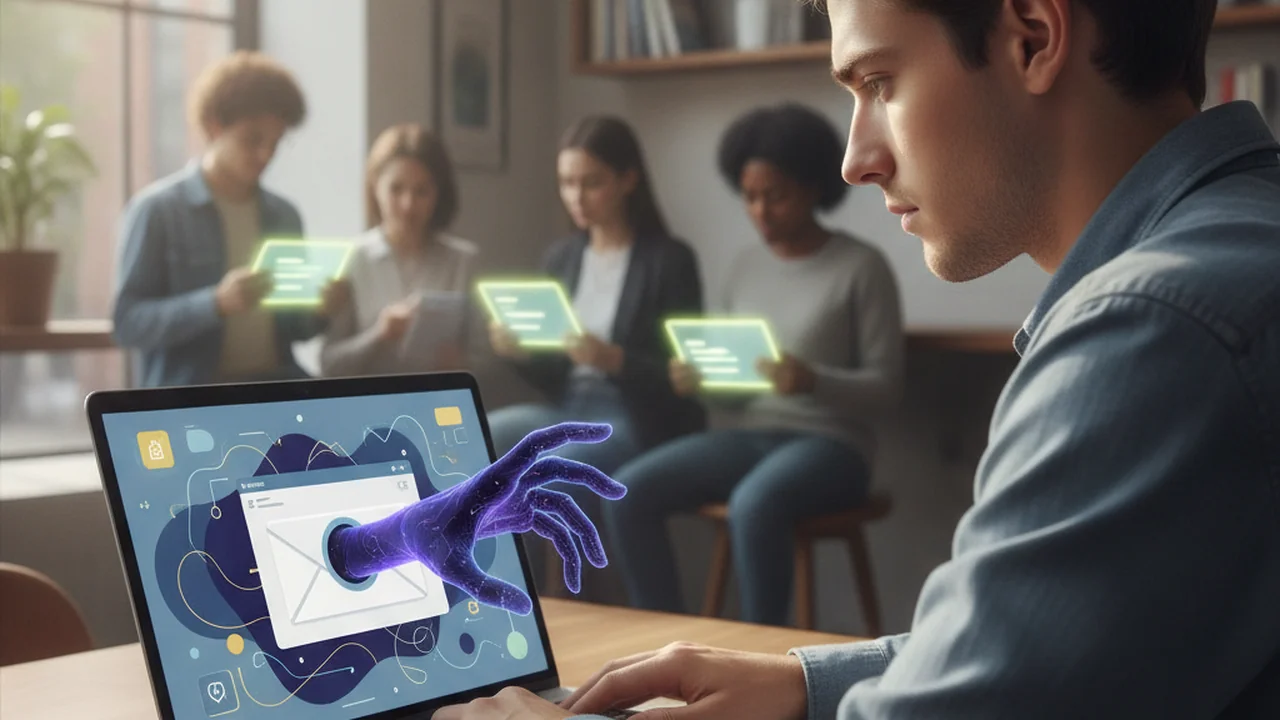
Imagine waking up one morning to discover someone has taken out thousands of dollars in loans, opened credit cards, and even filed taxes in your name. For Emma, a Missouri college student, this nightmare became reality. Identity theft can happen to anyone—fast. This lesson will show you exactly how it happens, how to spot the scams, and the steps you can take to protect yourself and your future.
The $47,000 Nightmare: Emma’s Story
Emma, age 21, Missouri State University
Emma thought she was securing her student account when she clicked an official-looking email and entered her personal details. In reality, she had fallen for a phishing scam—handing over her Social Security number, date of birth, and more to identity thieves. Within days, someone applied for $12,000 in student loans, opened three credit cards with $11,000 in fraudulent charges, and tried to file a fake tax return in her name. It took Emma six months and over 60 hours to resolve, tanked her credit score by 140 points, and cost her opportunities for an apartment and a car.
Missouri ranks among the top 20 states for identity theft reports. College students are increasingly targeted because they often have “clean” credit histories, making fraud harder to detect.
Emma’s story could have been avoided by following simple steps: never clicking links in suspicious emails, enabling two-factor authentication, and regularly monitoring credit reports. Understanding threats is your first defense.
How would you feel if you discovered someone had used your information to open bank accounts, take out loans, or even commit crimes?
Identity theft is when someone uses your personal information without your permission to commit fraud or other crimes.
Understanding Identity Theft
What Information Do Thieves Want?
- Social Security Number (SSN)
- Date of birth
- Driver’s license number
- Bank account and credit card numbers
- Passwords, PINs, and security answers
- Mother’s maiden name, student ID, medical info
Types of Identity Theft
- Financial Identity Theft: Opening accounts, taking loans, draining funds, filing fake taxes
- Medical Identity Theft: Using your insurance or medical identity for services or prescriptions
- Criminal Identity Theft: Criminals give your name when arrested
- Synthetic Identity Theft: Mixes real and fake data (often targets children)
- Account Takeover: Thieves hijack your existing accounts
Many Missouri college students have had their bank accounts or student loans compromised after sharing too much information on social media or responding to emails that seemed official.
A type of scam where criminals send fake emails or texts to trick you into giving up personal information like passwords or Social Security numbers.
What personal information do you share online that could help someone answer your security questions?
How Identity Theft Happens
- Data Breaches: Companies are hacked and your info is stolen (e.g., Equifax, Target)
- Phishing: Fake emails or texts designed to steal your info
- Social Media: Public posts reveal birthdays, pets, schools—used for security answers
- Physical Theft: Lost wallets, mail, or trash containing sensitive info
- Skimming: Devices at ATMs/gas pumps copy your card details
- Social Engineering: Phone scams pretending to be banks/IRS
- Public Wi-Fi: Hackers intercept your info on unsecure networks
- Malware: Viruses/keyloggers that steal passwords
Want to go deeper? The science behind phishing scams
Phishing attacks work because they exploit trust and urgency. Scammers mimic real organizations, using logos, language, and deadlines to pressure victims into acting fast. Even trained professionals can fall for sophisticated phishing emails. Always double-check the sender’s address and avoid clicking unfamiliar links.
Missouri Identity Theft Cases
- Mizzou Student: Shared birthdate and pet’s name on Instagram. Thief used info to answer security questions, accessed bank account, and stole $2,400.
- UMKC Student: Connected to fake “Free Campus Wi-Fi” at coffee shop. Hacker stole banking credentials and took $3,100.
One click on a phishing email cost Emma 60 hours and months of stress.
Identity Theft Regulations and Protections
Federal Laws Protecting You
- Fair Credit Reporting Act (FCRA): Free credit report for victims, right to dispute fraudulent accounts, fraud alerts, credit freezes
- Identity Theft and Assumption Deterrence Act: Identity theft is a federal crime, penalties up to 15 years in prison
- FACTA: Fraud alerts, credit freezes, business data protection, limits on SSN use
- Gramm-Leach-Bliley Act: Requires financial institutions to protect your data
Missouri state law requires businesses to notify you if your information is involved in a data breach. The Attorney General’s office can help guide you through recovery steps if you become a victim.
Your Rights as a Victim
- Place a fraud alert with one credit bureau—they notify the rest
- Request a credit freeze (blocks new credit in your name)
- Dispute fraudulent debts—you are not responsible for accounts you didn’t open
- Request businesses provide records related to fraud
- Block fraudulent info from your credit reports
Missouri-Specific Protections
- Free security freeze on credit reports
- Local law enforcement and Attorney General support for victims
- Strict penalties for identity theft crimes and breach notification laws
Why is it important to act quickly if you suspect your identity has been stolen?
Identity theft only affects people who are careless or don’t use technology.
Anyone can become a victim, even if they use strong passwords and avoid obvious scams—criminals target everyone, and even companies can be breached.
Protecting Yourself Online
Password Security
- Use at least 12 characters (16+ is best), mixing upper/lowercase letters, numbers, and symbols
- Avoid dictionary words or personal info (birthdays, pet names, team names)
- Unique password for every account
- Consider using a password manager to keep track of strong, unique passwords
- Strong example: “Purple!Elephant#Running$42”
- Weak example: “password123”, “Mizzou2024”, “March151998”
Password managers like 1Password or Bitwarden can generate and store hundreds of strong passwords for you—so you only have to remember one.
Two-Factor Authentication (2FA)
- Requires two types of verification: something you know (password), plus something you have (phone or security key)
- Types: SMS code (text), authentication app, or physical security key (like a USB stick)
- Always enable 2FA on your financial and important online accounts
See how secure your passwords are and improve your online safety.
- Go to a trusted password checker site like How Secure Is My Password?
- Enter a password (not your real one!) to see how quickly it could be cracked.
- Create a new, strong password using the tips above.
- Try a password manager (like Bitwarden or 1Password) to generate and save your new passwords.
What is a credit freeze?
Tap to revealA tool that blocks access to your credit report, preventing new accounts from being opened in your name until you unfreeze it.
What should you do first if you suspect your identity is stolen?
Tap to revealContact the credit bureaus to place a fraud alert, file a police report, and report the theft to the FTC at IdentityTheft.gov.
What is phishing?
Tap to revealA scam where criminals use fake emails or texts to trick you into revealing personal information.
How could using the same password on multiple sites put your financial security at risk?
Even a single careless moment—like clicking a fake email—can lead to months of stress and lost opportunities, but simple proactive steps like strong passwords and 2FA can dramatically reduce your risk.
If Identity Theft Happens: What To Do
- Contact the three major credit bureaus (Equifax, Experian, TransUnion) and place a fraud alert
- File a police report with your local law enforcement
- Go to IdentityTheft.gov to report and get a personalized recovery plan
- Contact creditors and dispute fraudulent accounts
- Monitor your credit reports and follow up on disputes
- Keep copies of all correspondence and reports
The Missouri Attorney General’s Consumer Protection Division can help you file complaints and access recovery resources. Kansas City and St. Louis both have police units specializing in identity theft.
- Identity theft can happen to anyone—regardless of how careful you are
- There are federal and Missouri-specific laws that protect you as a victim
- Simple steps, like strong passwords and 2FA, make a big difference
Knowing your rights and acting quickly are the keys to minimizing the damage of identity theft.
Project: Create a Financial Safety Protocol
Course Driving Question: How can I build a realistic 10-year financial plan for my life after high school that can survive real-world trade-offs, setbacks, and opportunities?
Your project move: Prepare your Launch Profile to prevent, detect, and respond to identity theft and fraud.
- Create prevention steps for passwords, multifactor authentication, account alerts, documents, and credit reports.
- List the first five actions to take after a stolen card, compromised account, or identity-theft warning.
- Analyze one scam example and mark the clues that reveal it.
Add to your Missouri Money Map: A one-page prevent-detect-respond protocol with trusted reporting resources.
Have a partner use your protocol in a short fraud scenario and note any unclear step.
Think about your own online habits. Where are you most at risk for identity theft, and what is one concrete step you will take this week to increase your protection?
Which action is the strongest protection against someone opening new accounts in your name?
Imagine you receive an email from your bank asking you to “verify your account” by clicking a link. What steps should you take to protect yourself?
How confident are you that you can spot a phishing attempt or scam email?
Maintaining credit report accuracy and monitoring (see Consumer Credit Rights) is key to detecting identity theft early.
The Shift
- Identity theft can happen to anyone, and the consequences are serious—but you have powerful legal rights and practical tools to protect yourself.
- Simple habits like using strong, unique passwords and enabling two-factor authentication make you much harder to target.
- If you suspect identity theft, acting quickly—by freezing credit, reporting to authorities, and disputing fraudulent accounts—can limit the damage.